

AI & Emerging Tech for Marketing Teams: Unlocking Automation, Analytics, and Customer Insights
By Patrice Valentine, ProFusion Web Solutions
In the ever-evolving landscape of digital marketing, artificial intelligence (AI) and emerging technologies are proving to be transformative for marketing teams. By embracing AI-driven solutions, businesses can enhance lead generation, optimize campaigns, and derive actionable insights from data. This article explores how these advanced technologies empower marketing teams, addressing key aspects such as automation, predictive analytics, customer segmentation, and content generation. Understanding these elements can help marketers effectively navigate their ever-changing environments and harness the full potential of their resources. Throughout the article, we will delve into the profound benefits of AI marketing services and best practices for incorporating them into existing workflows, ensuring that marketing teams can thrive in a competitive landscape.
How Do AI Marketing Automation Tools Enhance Marketing Team Performance?
AI marketing automation tools significantly enhance the performance of marketing teams by enabling them to focus on strategic tasks rather than mundane, repetitive activities. These tools streamline processes through advanced features like automated data analysis, real-time performance tracking, and personalized customer outreach. Implementing these technologies leads to improved productivity, higher conversion rates, and ultimately, increased revenue.
Such technologies integrate functions that allow for targeted marketing strategies, making it easier for teams to manage customer relationships effectively.
What Are the Key Features of AI-Driven Marketing Automation?
AI-driven marketing automation offers a range of features that can be invaluable for marketing teams. Key features include:
- User-Friendly Dashboards: These provide visual insights into campaign performance and customer engagement metrics.
- Integration Capabilities: AI tools often integrate seamlessly with existing marketing technologies and CRM systems, simplifying processes and improving data flow.
- AI-Powered Insights and Recommendations: Automated analysis helps generate actionable recommendations that enhance campaign effectiveness.
These features not only enhance efficiency but also empower marketing teams to make well-informed decisions that cater directly to their target audiences.
How Can Automation Improve Lead Generation and Conversion Rates?

Marketing automation plays a crucial role in improving lead generation and conversion rates. By utilizing automated segmentation, teams can tailor their messaging based on user behavior and preferences.
Additionally, A/B testing facilitates optimal content delivery strategies, enhancing engagement through personalized experiences. Finally, implementing feedback loops aids in refining approaches based on real-time data analysis. These strategies have been proven to enhance conversion rates significantly, making automation an essential tool for any effective marketing team.
What Role Does Predictive Analytics Play in Smarter Marketing Strategies?
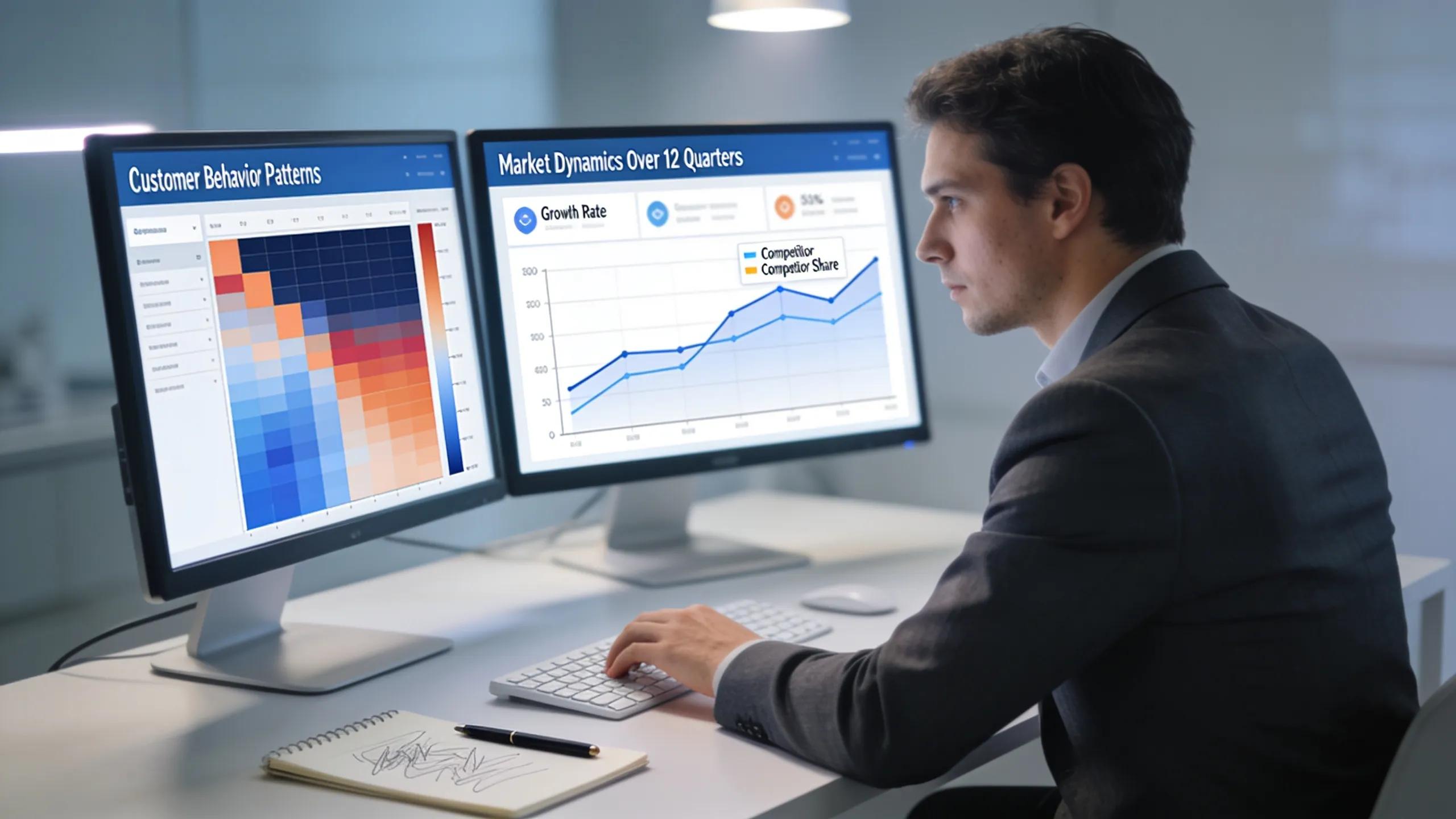
Predictive analytics is fundamental in crafting smarter marketing strategies as it transforms vast amounts of data into actionable insights. By analyzing consumer behavior patterns and trends, businesses can forecast customer needs and tailor their marketing efforts accordingly. This proactive approach helps companies anticipate shifts in market dynamics and adapt their strategies in real time, thus enhancing overall effectiveness.
Moreover, predictive analytics can optimize marketing spend by identifying high-potential customer segments for targeted campaigns.
How Does Predictive Analytics Enable Data-Driven Customer Segmentation?
Data-driven customer segmentation is enhanced through predictive analytics tools that analyze historical data to identify patterns. The tools utilize this information to classify customers into distinct groups based on shared characteristics and behaviors.
For instance, segmentation strategies can be based on demographics, purchase habits, or engagement levels. As a result, marketing teams can focus their efforts on high-value segments, thereby increasing the efficiency of their campaigns.
Why Are SMBs Gaining Competitive Advantage Through Predictive Modeling?
Small to medium-sized businesses (SMBs) are increasingly leveraging predictive modeling to establish a competitive edge. By utilizing affordable predictive analytics tools, these businesses can effectively understand customer preferences, optimize resource allocation, and enhance their marketing strategies.
Studies indicate that SMBs employing predictive modeling benefit from improved operational efficiencies and higher return on investment (ROI) than traditional marketing approaches. This allows them to compete effectively with larger enterprises that may have more resources.
How Is AI Customer Segmentation Transforming Targeted Marketing Efforts?
AI customer segmentation revolutionizes targeted marketing efforts by utilizing complex algorithms to analyze a multitude of data points. Machine learning technologies enable dynamic segmentation based on real-time customer interactions, ensuring that marketing strategies are consistently aligned with consumer behavior.
This level of personalization and adaptability is critical in fostering stronger relationships with customers.
What Techniques Do AI Tools Use for Effective Customer Segmentation?
- Behavioral Data Analysis Methods: These methods examine user interactions to create precise customer profiles.
- Clustering Algorithms: These algorithms group similar customers together based on key characteristics, improving targeting strategies.
- Integration with CRM Systems: Seamless integration ensures that valuable insights from customer interactions inform segmentation tactics.
These cutting-edge techniques empower marketing teams to deliver personalized marketing experiences that significantly enhance customer engagement and loyalty.
How Does Segmentation Improve Campaign Personalization and ROI?
Effective customer segmentation leads to enhanced campaign personalization, which directly correlates with increased ROI. By targeting specific customer groups with tailored messages, marketing teams can create highly relevant campaigns that resonate with their audience’s needs and preferences.
Research supports that campaigns tailored through segmentation yield higher engagement rates, driving better conversion rates and improving overall marketing performance. This underscores the importance of leveraging advanced segmentation techniques to maximize marketing effectiveness.
In What Ways Does Automated Content Generation Support Marketing Goals?
Automated content generation offers a valuable solution for marketing teams looking to improve efficiency without sacrificing quality. By harnessing the power of AI, content creation can be streamlined, ensuring that marketing teams can focus on strategy and innovation rather than repetitive tasks.
This approach not only saves time but also increases the volume of quality content, vital for thriving in today’s competitive landscape.
What Are the Benefits of AI-Powered Content Creation for Marketing Teams?
- Improved Turnaround Time: Automation expedites content production, allowing teams to keep up with high demand.
- Consistency Across Channels: AI ensures that brand messaging remains uniform across various platforms.
- Cost-Effectiveness: Utilizing AI reduces the need for extensive manpower, cutting operational costs associated with content creation.
Overall, AI-powered solutions enhance a team’s effectiveness while maintaining high-quality output across marketing initiatives.
How Does Automated Content Align with Brand Voice and Target Audiences?
Ensuring that automated content aligns with brand voice is crucial for maintaining a cohesive identity. Techniques such as training AI on brand guidelines and styles make it possible to create content that resonates with target audiences effectively.
Furthermore, incorporating real-time feedback mechanisms helps refine AI performance, ensuring that content remains relevant and engaging. This focus on alignment fosters stronger connections between brands and their audiences, further enhancing marketing success.
How Can Machine Learning Marketing Strategies Drive Sustainable Business Growth?
Machine learning (ML) marketing strategies hold the key to sustainable business growth by enabling data-driven decision-making. The ability to continuously analyze customer interactions and ad performance provides businesses with invaluable insights that refine their approach over time. This dynamic adaptability positions companies to respond swiftly to market changes.
Consequently, organizations that leverage ML are better equipped to build long-term customer relationships and improve their overall marketing performance.
What Are the Core Components of Machine Learning in Marketing?
- Data Collection and Analysis: ML relies on vast amounts of data to provide insights into consumer behavior.
- Understanding Algorithms: Knowing which algorithms to apply for specific tasks is crucial to achieving desired outcomes.
- Continuous Improvement Mechanisms: Implementing feedback loops allows for ongoing optimization of marketing strategies based on real-time data.
These components collectively ensure that marketing teams can leverage ML effectively for maximum impact.
How Do Machine Learning Strategies Optimize Campaign Performance?
Machine learning strategies optimize campaign performance by enabling real-time tracking and adjustments based on consumer interactions. By employing predictive models, marketing teams can identify trends and behaviors, allowing them to adjust campaigns proactively.
Such capabilities lead to improved targeting accuracy and higher conversion rates, confirming the value of integrating machine learning technologies into marketing strategies.
What Are the Best Practices for Implementing AI & Emerging Tech in SMB Marketing Teams?
For small to medium-sized businesses, adopting AI and emerging technologies requires careful planning to ensure successful integration. Best practices in implementation include establishing clear objectives, training staff adequately, and evaluating success metrics throughout the process.
By following these practices, businesses can maximize the benefits of AI technologies while minimizing disruption during integration.
How to Integrate AI Marketing Services with Existing Marketing Workflows?
A successful integration of AI marketing services involves several key steps:
- Identify Key Areas for AI Application: Understanding where AI can add the most value is vital for effective implementation.
- Prepare Existing Systems for AI Tools: Ensuring compatibility among different systems helps streamline the integration process.
- Engage with Stakeholders for Seamless Integration: Communication among all team members facilitates a smoother transition towards adopting AI solutions.
These strategic steps can enhance the likelihood of successful integration of AI marketing services within existing workflows, ultimately driving better performance.
What Metrics and KPIs Measure the Success of AI-Powered Marketing Initiatives?
To evaluate the success of AI-powered marketing initiatives, businesses should focus on key performance indicators (KPIs) that measure relevant outcomes. Critical metrics to consider include:
- Conversion Rates: Assessing how AI initiatives impact conversions provides insight into effectiveness.
- Customer Acquisition Costs (CAC): Understanding costs associated with acquiring new customers helps gauge marketing performance.
- Customer Lifetime Value (CLV): Evaluating the value customers bring over time can inform long-term strategies.
By continuously monitoring these metrics, businesses can refine their AI strategies to maximize returns and optimize marketing effectiveness.