
How Do I Spot a Phishing Scam?
You're going through your inbox, and there it is: an urgent email from your bank.
"Your account has been temporarily suspended. Click here to verify your Information."
You freeze. What if it's real? That's precisely what phishing scams count on catching you in a moment of uncertainty and pushing you to act fast.
Phishing scams are everywhere, but they lose their power once you know how to spot them. Let's walk through exactly how you can protect yourself, step by step.
What is Phishing, and Why Is It So Dangerous?
Think of phishing as a digital wolf in sheep's clothing. It looks harmless even familiar but hides harmful intent.
Scammers send fake emails or texts or create bogus websites that mimic trusted organizations. The goal? To trick you into handing over personal information like passwords, credit card numbers, or social security details.
These scams work because they prey on emotion. They make you feel rushed, fearful, or even excited and those emotions can cloud your judgment.
Cybercriminals continuously refine their tactics, making phishing attacks more convincing and difficult to identify than ever before. Staying informed is one of the best ways to protect yourself and your business.
Recognizing the Warning Signs
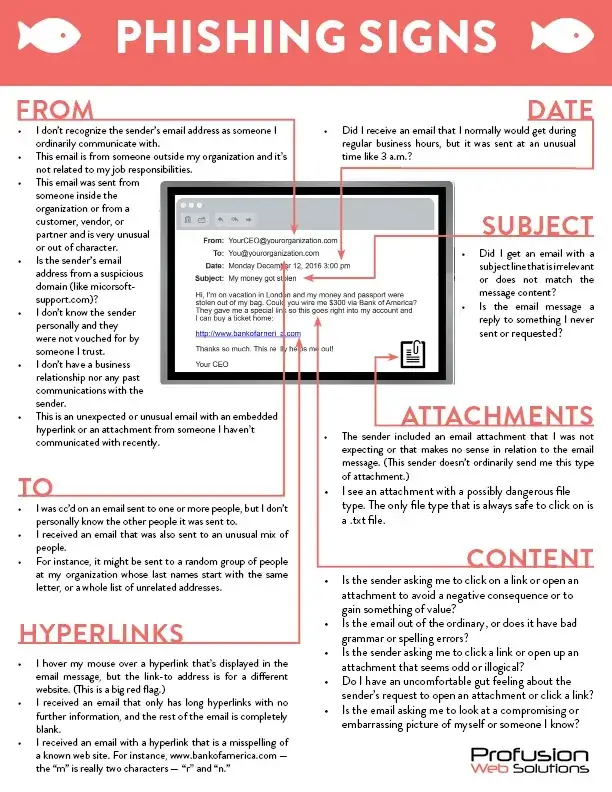
Most phishing scams share subtle clues. Learning to spot them is your best defense.
Look closely at the sender's email address. Is it slightly misspelled or from an unknown domain?
Pay attention to greetings. Legitimate companies usually use your name, while phishing attempts often say "Dear Customer" or "Dear User." Notice the tone. Is there a sense of urgency or a threat? Scammers usually push phrases like "Act now, or your account will be closed."
And when it comes to links trust your instincts. Hover over them without clicking. If the URL looks strange or mismatched, it's a red flag.
Attachments can be another danger zone. Unless you're expecting one, don't open attachments from unfamiliar senders. They could contain malware.
Businesses that maintain secure websites and properly managed digital platforms are often better equipped to reduce online security risks. Strong website management solutions can help keep systems updated and protected.
Real-World Examples of Phishing Scams
Phishing isn't limited to one format. Scammers get creative, targeting people in many ways:
Bank scams are among the most common. You might get an alert about suspicious activity, which will prompt you to enter your login details on a fake website.
PayPal or payment service scams often say a transaction was declined or suspicious and urge you to verify your account immediately.
Government impersonation scams promise refunds or benefits or make threats about taxes or legal issues to scare you into clicking.
Fake job offers sound enticing but ask for sensitive personal information upfront.
"Friend or family in need" scams leverage hacked accounts to send desperate pleas for money.
No matter the approach, they all aim for the same thing to get you to hand over sensitive data without thinking twice.
Scammers frequently adapt their messages to current events, seasonal trends, and popular brands to increase the chances that recipients will engage with fraudulent messages.
What To Do If You Spot a Phishing Email (Point Format)
Here's a quick action plan if something doesn't seem right:
- Don't click on links or download attachments.
- Verify the sender by checking their official contact details.
- Report the email to your email provider or relevant authorities.
- Delete the message from your inbox and trash folder.
- Run a virus scan if you accidentally clicked or downloaded something.
- Change your passwords immediately if you give up any sensitive Information.
- Enable two-factor authentication (2FA) to prevent unauthorized access.
Staying Safe in a Phishing-Filled World
Scammers are clever but you can be smarter.
The best protection is staying informed and alert. Always pause and evaluate before responding to any unexpected message. Even better, layer your defenses. Use strong passwords, turn on 2FA, and keep your antivirus software updated.
And don't forget about those around you. Phishing scams often target the most vulnerable — including seniors and less tech-savvy users. Share what you know. A quick conversation about how to spot fake emails can make a big difference.
Regular cybersecurity awareness training can help employees and family members recognize suspicious messages before they become a problem.
Trust Your Instincts
Ultimately, phishing scams depend on you reacting emotionally instead of rationally.
If something feels off, listen to that instinct. Please slow down, whether it's an odd email from your bank, a prize that seems too good to be true, or an attachment you weren't expecting. Take a breath. Verify before you click.
A moment of caution now can save you a world of trouble later. If you're in Bellingham or Ferndale and need help reviewing your website's security or spotting suspicious emails, we're here to help. Reach out today!
Protecting your online presence requires both awareness and proactive security measures. Businesses that invest in digital growth strategies and secure website infrastructure are better positioned to safeguard customer trust and business data.
Conclusion:
A Phishing Scam can happen to anyone, regardless of experience or technical knowledge. Learning the warning signs helps you avoid costly mistakes and protect sensitive information. Always verify unexpected messages before taking action. A few extra seconds of caution can prevent serious security problems. Staying informed is one of the best defenses against online threats.
Phishing scams continue to evolve, but a few simple precautions can significantly reduce your risk. Stay alert, verify unexpected messages, and educate those around you. Protecting your information starts with awareness. Contact ProFusion Web Solutions at (303) 466-1975 or [email protected] if you need help with website security and online best practices.
Frequently Asked Questions
What is a phishing scam?
A phishing scam is a fraudulent attempt to steal personal information by pretending to be a trusted organization through emails, text messages, or fake websites. These scams often trick people into sharing passwords, banking details, or other sensitive information.
How can I tell if an email is a phishing attempt?
Look for suspicious sender addresses, generic greetings, urgent language, unexpected attachments, and unusual links. Businesses that invest in website maintenance Bellingham often have better protection against common online security threats.
What should I do if I clicked a phishing link?
Immediately change your passwords, run a malware scan, enable two-factor authentication, and monitor your accounts for suspicious activity. Acting quickly can help reduce the risk of unauthorized access.
Can phishing scams happen through text messages?
Yes. This type of phishing is known as "smishing" and uses text messages to trick people into clicking malicious links or providing personal information. The same caution used with emails should also apply to text messages.
Why do phishing scams create a sense of urgency?
Scammers use fear and urgency to pressure people into acting without thinking. Messages often claim an account is locked, a payment failed, or immediate action is required to prevent users from verifying the information.
Is two-factor authentication effective against phishing attacks?
Yes. While it cannot stop every attack, two-factor authentication adds an extra layer of security that makes it much harder for cybercriminals to access your accounts if they obtain your password.
Can businesses be targeted by phishing scams?
Absolutely. Businesses of all sizes are common targets because attackers often seek customer data, financial information, or access to company systems. Companies investing in digital marketing Bellingham and secure online systems should also prioritize cybersecurity awareness.